The Critical Connection: Wound Care and Peripheral Arterial Disease (PAD)
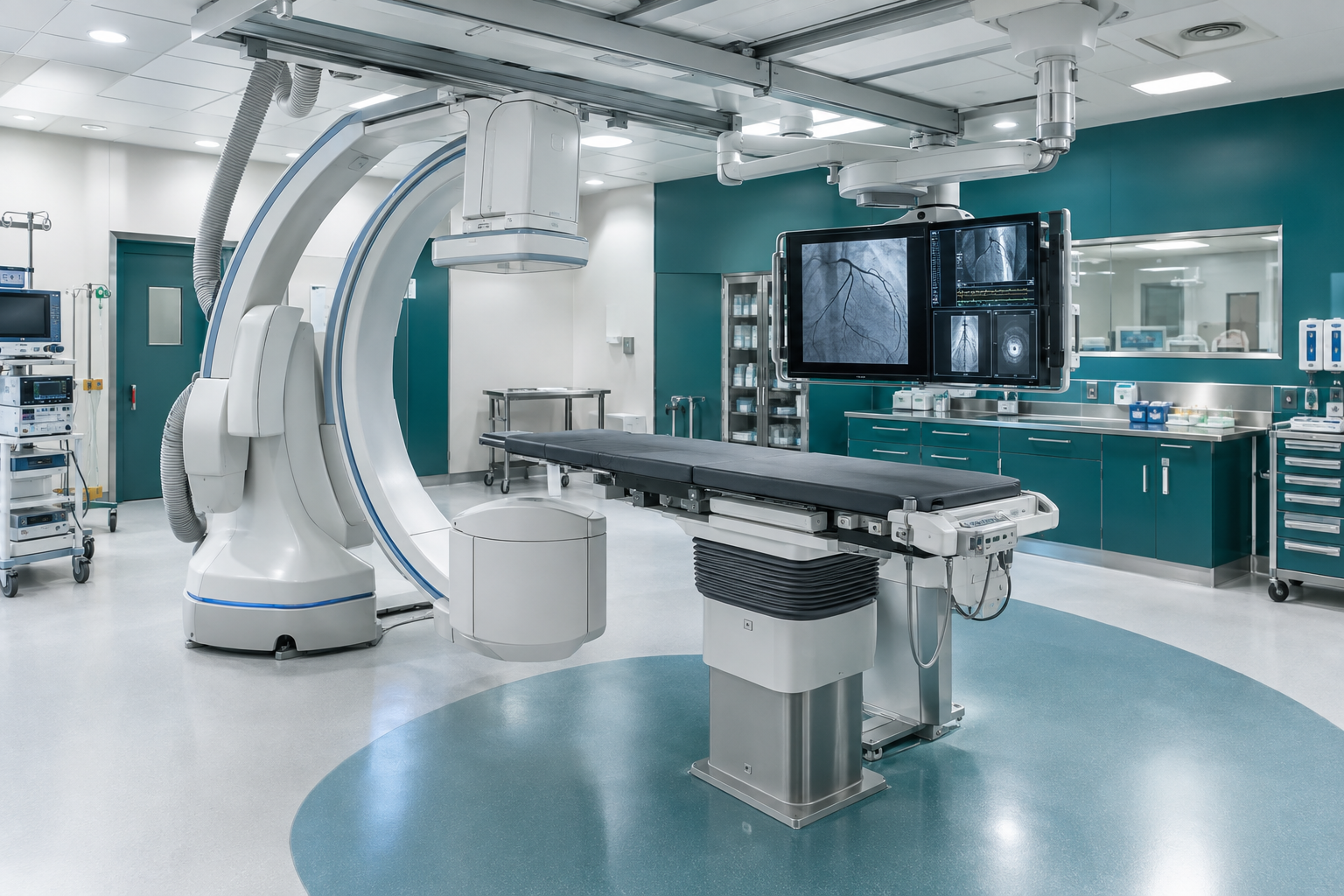
Wound Care can often lead to PAD treatment; here’s why
The intricate connection between wound care and PAD sheds light on how these two complications intersect and the importance of early intervention.
Peripheral Arterial Disease (PAD) is a circulatory condition that affects millions of people worldwide. It occurs when arteries that supply blood to the limbs, typically the legs, become narrowed
or blocked due to the buildup of plaque. While PAD itself poses significant health risks, it is also closely linked to another critical aspect of healthcare: wound care.
The PAD Epidemic: Understanding the Numbers
To comprehend the link between wound care and PAD, it’s crucial to grasp the prevalence and impact of PAD:
-
Prevalence: According to the American Heart Association,
approximately 8.5 million adults over the age of 40 in the United States alone have PAD. Globally, this number reaches a staggering 202 million individuals, making PAD a widespread health concern. -
Associated Risks: PAD significantly raises the risk of heart attack, stroke, and other cardiovascular events. Individuals with PAD are also at heightened risk of limb
amputations due to non-healing wounds. -
Underdiagnosis: Alarmingly, PAD often goes undiagnosed. The American Heart Association reports that
only 10%-30% of those with PAD display classic symptoms, leading to delayed diagnosis
and treatment.
PAD and Non-Healing Wounds: The Connection
The connection between PAD and wound care becomes evident when we consider how restricted blood flow in the limbs can lead to non-healing wounds.
-
Reduced Blood Flow: In PAD, the arteries supplying the limbs are narrowed, limiting blood flow. This reduction in circulation means that the affected tissues receive fewer
nutrients and oxygen, impairing their ability to heal. -
Non-Healing or Chronic Ulcers: As a consequence of poor circulation, individuals with PAD are prone to developing non-healing wounds or ulcers, typically on the lower
extremities. These ulcers are often painful, slow to heal, and susceptible to infection. They are often referred to as ischemic ulcers because they result from inadequate blood supply
(ischemia). -
Risk of Complications: Non-healing wounds in individuals with PAD can quickly escalate into severe complications. Infection can set in, leading to cellulitis or gangrene, which
may necessitate amputation in the worst-case scenario.
The Role of Wound Care in PAD Management
Effective wound care is paramount for individuals with PAD to prevent complications and promote healing.
-
Wound Assessment: Early detection and assessment of wounds are critical. Healthcare professionals carefully evaluate wounds, assessing factors like size, depth, and signs of
infection. - Debridement: Removing dead or infected tissue (debridement) is a common practice in wound care. This helps create a healthy environment for healing.
- Dressings and Offloading: Proper wound dressings and offloading techniques are employed to protect the wound, reduce pressure, and facilitate the healing process.
-
Revascularization Procedures: In severe cases of PAD with critical limb ischemia, revascularization procedures like angioplasty or atherectomy may be necessary to restore blood
flow to the affected area.
Addressing the Underlying Issue: PAD Management
While effective wound care is crucial, addressing the underlying cause of non-healing wounds, which is often PAD, is equally essential.
-
Early Diagnosis: Early detection of PAD is paramount. Regular screenings, particularly for individuals with risk factors like diabetes, smoking, or a family history of vascular
disease, can lead to timely intervention. - Lifestyle Modifications: Lifestyle changes such as smoking cessation, healthy eating, and exercise can help manage PAD and reduce its progression.
- Medications: Medications to control blood pressure, cholesterol levels, and blood sugar are often prescribed to manage PAD.
-
Minimally Invasive Procedures: In some cases, minimally invasive procedures like angioplasty or stent placement can open blocked arteries, improving blood flow to the affected
limbs.
The link between wound care and Peripheral Arterial Disease (PAD) is undeniable and critical to understand. PAD can lead to non-healing wounds that, if not properly managed, can result in severe
complications, including limb amputation. Effective wound care plays a pivotal role in mitigating these risks by promoting healing and preventing infection.
By recognizing the interconnectedness of wound care and PAD and taking the requisite proactive steps, individuals can significantly improve their quality of life and reduce the devastating
consequences of these conditions. If you have wounds that are slow to heal, particularly on your legs, or if you have risk factors for PAD, seek prompt medical attention to prevent complications
and ensure the best possible outcomes.